Is Getting Veneers in Turkey Painful? The Honest Answer
Short answer: no. You are numb before we touch a tooth, and most patients describe veneers as pressure and vibration, not pain. Below is a step-by-step pain chart, the comfort options we use in Istanbul, and what the days after really feel like.
- Topical numbing gel first
- Slow, computer-assisted injections
- Sedation available for anxious patients
- Minimal-prep ceramic options
See real results in our before and after gallery and read patient reviews about comfort.
Do Veneers Hurt When the Dentist Prepares Your Teeth?
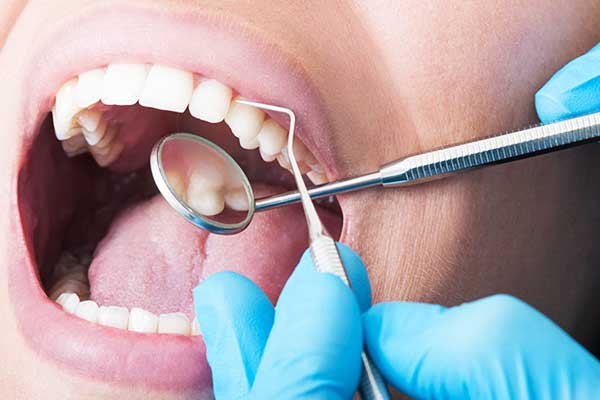
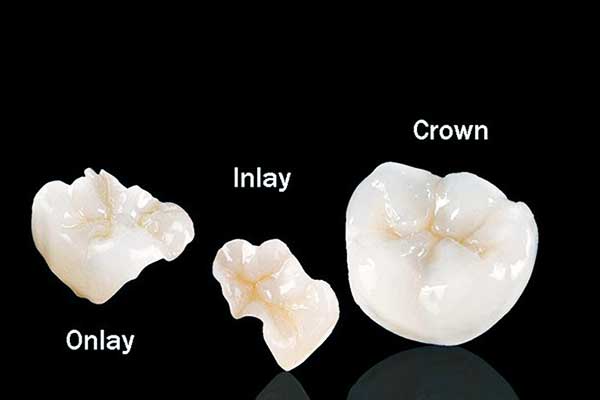
Preparation only reshapes the outer enamel. Enamel has no nerve endings, and the area is anesthetized, so what you feel is the sensation of touch. If you want to compare with other treatments, our guide to dental crowns in Turkey shows how veneers are far less invasive.
Numbing gel first
A flavored gel is applied to the gum for a minute, so the injection itself is barely noticed.
Slow, warm injections
Warmed anesthetic delivered slowly with a fine needle stings far less than a fast, cold injection.
Thin preparation
Modern ceramic veneers need only about 0.3–0.6 mm of enamel removed, which means less sensitivity afterwards.
Sedation if you need it
Nervous about dentists? Ask about gentle conscious sedation with a doctor monitoring you.
How Painful Are Veneers Step by Step? Our Pain Chart for Each Stage
Scores are typical patient-reported ranges on a 0–10 scale. Everyone is different, but this is what to expect.
Veneers in Turkey Recovery, Sensitivity and Who Feels More Pain
- Chat and plan: tell us your fears on WhatsApp. We choose the gentlest veneer type for your teeth.
- Day 1, comfort first: gel, slow numbing, optional sedation, then preparation and a digital scan. You leave with temporary veneers.
- Days 2–5: your ceramic veneers are crafted. Rest, drink plenty of water and avoid very hot or cold drinks.
- Day 5–7, bonding: we place the veneers, fine-tune your bite and polish the edges.
- Aftercare: a simple relief plan and check-up reminders.
- Thin or worn enamel: more sensitivity, so we choose minimal-prep veneers.
- Teeth grinding: sore jaw muscles are common. A night guard helps. Learn about dental crowns if teeth are heavily worn.
- Dental anxiety: pain feels bigger when you are tense, so we offer sedation and breaks.
- Gum recession: exposed root surfaces can be sensitive. We treat this first.
- Deep decay: may need a root canal before veneers, which we explain upfront.
Do
- Take pain relief before the numbness fades
- Use a sensitivity toothpaste for 2 weeks
- Eat soft, lukewarm food on day 1
- Sleep with your head slightly raised
Don’t
- Bite hard bread, ice or nuts with temporaries
- Chew on your cheek or lip while numb
- Delay a call if pain keeps rising. See what can go wrong
Which Veneers Hurt the Least? Types, Enamel Removal and Price Per Tooth
Less enamel removed usually means less sensitivity. Compare the options and switch the currency to see prices. Our E.max laminate veneers are the most popular balance of comfort, strength and looks.
| Veneer type | Enamel removed | Sensitivity after | Price per tooth |
|---|---|---|---|
| Composite veneer | 0–0.3 mm | Very low | |
| Ultra-thin porcelain (minimal prep) | 0.1–0.3 mm | Low | |
| E.max laminate veneer | 0.3–0.6 mm | Low to moderate | |
| Layered porcelain veneer | 0.4–0.7 mm | Low to moderate |
Sample prices per tooth. Your quote depends on your photos and treatment plan. More options on our dentist price list and Turkey teeth prices page.
How Much Do Painless Veneers in Turkey Cost? Trip Calculator With Comfort Options
Add your veneers, optional sedation, hotel and transfers for an instant estimate in your chosen currency. Compare with the cost of Turkey teeth for a full smile.
Your estimated total
- Veneers
- Comfort add-on
- Hotel
- Transfers
Estimate only. Send your photos on WhatsApp for a fixed quote.
How to Ease Veneer Sensitivity at Home: A 7-Day Relief Plan
First 24 hours
Take your pain relief early, eat lukewarm soft foods and avoid hot drinks until the numbness is gone.
Days 2 to 4
Brush gently with a sensitivity toothpaste and sip cold drinks through a straw away from the teeth.
Days 5 to 7
Sensitivity should fade. Return to normal food, but still avoid biting very hard items.
When to contact your dentist
- Throbbing pain that wakes you at night
- Pain that increases after day 4 instead of easing
- A veneer that feels high when you bite, or feels loose
- Swelling, a bad taste or a pimple on the gum
Message us any time on WhatsApp. Early adjustments are quick and usually painless.
Is Getting Veneers in Turkey Painful? Your Questions Answered
Is getting veneers in Turkey painful?
Not during treatment. You are numbed first, so you should feel pressure and vibration only. The most noticeable moment is a brief pinch from the numbing injection, and mild sensitivity for a few days is normal.
Do veneers hurt more than crowns?
Usually less. Veneers remove far less tooth than crowns. Compare with our zirconia crowns if you are unsure which suits you.
How long does pain last after veneers?
Soreness is usually strongest in the first 2 to 4 hours after the numbness fades. Sensitivity to hot, cold and sweet commonly settles within 1 to 2 weeks.
Can I be asleep during my veneer treatment in Turkey?
Veneers do not need general anesthesia. If you are very anxious, you can ask about conscious sedation, where you stay relaxed and comfortable while a doctor monitors you.
Are no-prep veneers painless?
They are the gentlest option, since little or no enamel is removed. They are not suitable for every smile, so your dentist will check your teeth first.
What if my veneers hurt after I fly home?
Send us a message and photos. Most issues are small bite adjustments. Read about choosing a safe dentist in Turkey and our aftercare support.
Can I eat after getting veneers?
Wait until the numbness fades, then start with soft, lukewarm food. Avoid very hard or sticky foods while you have temporary veneers.
How many days do I need in Istanbul?
Most patients stay 5 to 7 days. See smile makeover in Turkey for combined treatments.
Nervous? Tell Us and We Will Plan Around You
Send a photo of your smile and tell us your biggest worry. We reply with a gentle treatment plan and a fixed price. See our payment options.
Chat on WhatsApp now+90 531 258 28 47 · info@drwahidkathuda.com · Istanbul, Turkey · Contact page
Keep Reading: Veneers and Turkey Dental Guides
Veneers in Turkey
Types, results and who they suit.
Explore veneersE.max Laminate Veneers
Thin, strong and natural looking.
See E.max laminate veneersZirconia Crown Prices
Cost per tooth, explained simply.
Zirconia crowns Turkey price per toothIstanbul Dentist Prices
What treatments cost in 2026.
Compare Istanbul dentist pricesTurkey Teeth Gone Wrong
Risks and how to avoid them.
Read before you bookSmile Makeover Turkey
Veneers, crowns and whitening together.
Plan a smile makeoverWhat the American Dental Association Says About Veneers
Whatever you choose, the principles are the same worldwide: veneers should be placed by a licensed dentist, and any decay or gum problems should be treated first. The American Dental Association explains the types, the placement steps and how to check your provider’s license in its guide, Veneers on MouthHealthy.org.
Before you book anywhere, ask to see your dentist’s license and a written treatment plan. That is how you get a comfortable, safe result. When you are ready, message us on WhatsApp and we will share ours.